Modern Entertainment Technology: Transforming Leisure in the Digital Age
Entertainment has always been an essential part of human life. From storytelling around a fire to grand theater performances, humans have continuously sought ways to amuse, engage, and inspire themselves. In recent decades, entertainment has experienced a profound transformation due to technological advancements. teknologi hiburan masa kini Modern entertainment technology has reshaped the way people consume media, interact with content, and experience leisure. This article explores the key innovations in entertainment technology today and their impact on society.
Streaming Services and On-Demand Content
One of the most significant changes in modern entertainment is the rise of streaming platforms. Services such as Netflix, Disney+, Hulu, and Amazon Prime Video have revolutionized the way audiences consume movies and television. Gone are the days when viewers had to follow a strict television schedule or buy physical media. Now, people can watch their favorite shows anytime, anywhere, on multiple devices.
The technology behind streaming services relies on cloud computing, data compression, and high-speed internet connectivity. These innovations ensure that users can enjoy high-definition or even 4K content without interruptions. Personalization algorithms further enhance the user experience by recommending content based on viewing history, creating a more engaging and tailored experience.
Virtual Reality (VR) and Augmented Reality (AR)
Virtual Reality (VR) and Augmented Reality (AR) have introduced immersive experiences that were once thought impossible. VR provides users with fully immersive digital environments through headsets, while AR overlays digital information onto the real world using smartphones, tablets, or smart glasses.
In gaming, VR allows players to physically interact with virtual worlds, enhancing engagement and realism. Meanwhile, AR applications like Pokémon Go have brought entertainment into the real world, merging digital play with physical exploration. These technologies have expanded beyond gaming into virtual concerts, museum tours, and educational simulations, demonstrating their potential to redefine entertainment.
Gaming Consoles and Cloud Gaming
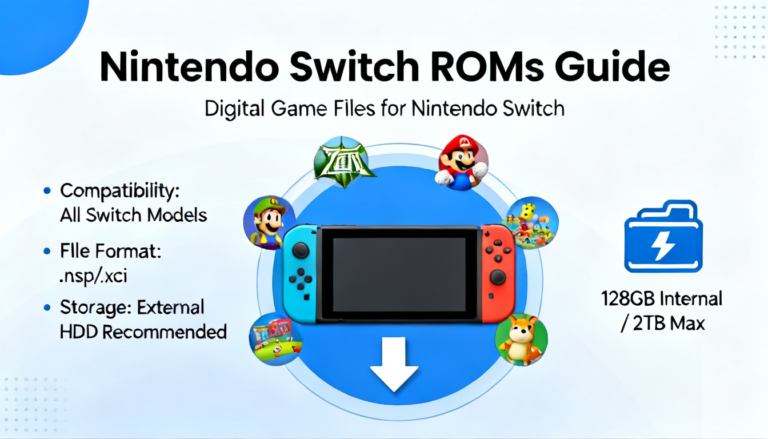
Gaming technology continues to evolve rapidly. Modern consoles such as the PlayStation 5 and Xbox Series X offer powerful graphics, realistic physics, and smooth gameplay experiences. Additionally, cloud gaming platforms like Google Stadia, NVIDIA GeForce Now, and Xbox Cloud Gaming allow players to stream games directly without the need for expensive hardware.
This shift to cloud-based gaming reduces barriers to entry and makes high-quality gaming more accessible. Multiplayer and social gaming platforms also foster global communities, transforming gaming into a social experience rather than just solitary entertainment.
Artificial Intelligence in Entertainment
Artificial Intelligence (AI) plays a growing role in modern entertainment. AI-driven recommendation engines, like those used by Netflix and Spotify, help users discover new content tailored to their tastes. In gaming, AI creates responsive, intelligent non-player characters (NPCs) and dynamic game environments, enhancing realism and engagement.
Beyond recommendations and gameplay, AI is now being used in content creation. From composing music to generating realistic digital actors for movies, AI technology is transforming both the production and consumption sides of entertainment.
Social Media and User-Generated Content
Social media platforms such as TikTok, YouTube, Instagram, and Facebook have redefined entertainment by enabling user-generated content to reach global audiences. Anyone with a smartphone can create, share, and monetize videos, photos, or live streams.
These platforms utilize sophisticated algorithms to ensure engaging content reaches relevant audiences, making social media both a content consumption hub and a creative outlet. The viral nature of social media entertainment has also reshaped traditional marketing, celebrity culture, and even news distribution.
Smart Devices and Home Entertainment Systems
The integration of smart technology into home entertainment has significantly enhanced convenience and interactivity. Smart TVs, sound systems, and voice assistants allow users to control multiple devices with simple commands. Users can stream music, watch movies, or even play interactive games without needing multiple remote controls or setups.
IoT (Internet of Things) technology further improves the experience, enabling connected devices to communicate seamlessly. For example, smart lighting can adjust according to the movie scene, or home speakers can synchronize to deliver immersive surround sound.
Live Entertainment and Virtual Experiences
Modern entertainment technology is also transforming live experiences. Concerts, theater performances, and sports events are now incorporating advanced technology to enhance audience engagement. Holographic projections, LED displays, and drone light shows create immersive environments that captivate audiences.
Additionally, virtual concerts and live streams allow fans to attend events from anywhere in the world. Artists like Travis Scott and Ariana Grande have leveraged virtual platforms to perform to millions of viewers simultaneously, demonstrating how technology is redefining live entertainment.
Interactive Storytelling and Multimedia Experiences
Interactive storytelling has emerged as a new form of entertainment that blends gaming, literature, and cinema. Platforms like Netflix’s interactive shows or video games with branching narratives allow users to influence the outcome of stories, creating a personalized entertainment experience.
Multimedia experiences also combine music, visuals, and interactive elements to engage audiences in novel ways. Museums and exhibitions now use interactive screens, AR guides, and VR installations to make learning and entertainment more engaging and memorable.
Mobile Entertainment and Apps
Smartphones have become a central hub for entertainment. Mobile apps offer games, video streaming, music, e-books, and social interaction, providing an all-in-one entertainment solution. Mobile technology has also facilitated short-form content, which is ideal for users with limited time or attention spans.
The portability and accessibility of mobile entertainment make it one of the most influential aspects of modern technology. Coupled with high-speed mobile networks, users can enjoy high-quality content anytime, anywhere, contributing to a more connected and entertained society.
Future Trends in Entertainment Technology
Looking ahead, entertainment technology will continue to evolve in exciting ways. AI-generated content, virtual reality metaverses, holographic experiences, and brain-computer interface gaming could redefine how people consume and interact with media. Sustainability and accessibility will also become priorities, as creators seek eco-friendly solutions and inclusive experiences for global audiences.
The fusion of technology and creativity is expanding the possibilities of entertainment. With every innovation, audiences gain more control over how they experience stories, music, games, and performances. The future promises entertainment that is more immersive, personalized, and interactive than ever before.
Conclusion
Modern entertainment technology has transformed the way people engage with content. From streaming services and virtual reality to AI-driven recommendations and interactive storytelling, technological innovations have redefined leisure and amusement. Social media, mobile devices, and smart home systems further enhance accessibility and convenience, while live events and immersive experiences push the boundaries of creativity.
As technology continues to advance, entertainment will become even more personalized, interactive, and immersive. By embracing these innovations, audiences worldwide can experience a new era of entertainment that is engaging, inclusive, and transformative.