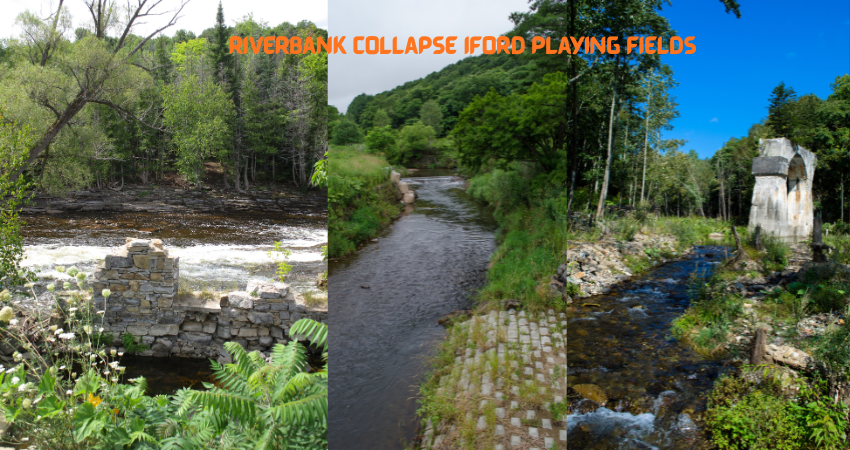
Shaken Ground: The Untold Story Behind the Riverbank Collapse at Iford Playing Fields
Introduction
If you’ve ever wandered through a park so peaceful that the rest of the world seems to melt away, you’ll understand why the Iford Playing Fields hold such a special place in people’s hearts. Kids kicking footballs, joggers weaving their way through open paths, families picnicking under pale summer skies—honestly, it’s the kind of place that makes you forget your inbox exists.
But then, seemingly out of nowhere, the ground gave way.
A literal chunk of earth—big enough to stop a dog-walker mid-step—slid into the river. And just like that, riverbank collapse Iford playing fields went from a quiet local concern to a headline whispered across neighborhoods.
What happened? Why did it happen? And what’s being done about it?
Grab a warm drink (or something stronger, no judgment) and settle in—this is the full story behind the riverbank collapse shaking Iford to its core.
The Day the Ground Failed: What Actually Happened?
You know those moments where things look perfectly normal one second…and totally bonkers the next? That’s basically what unfolded near the river’s edge at Iford Playing Fields.
A Calm Morning Turned Chaotic Afternoon
Witnesses described a strange cracking sound, followed by a slumped section of soil sliding toward the water like a lazy avalanche. No dramatic explosions. No storm. No warning sirens. Just earth surrendering to gravity.
Within minutes:
-
A section of the walking path disappeared.
-
Tree roots dangled in mid-air.
-
River water churned with silt.
-
Visitors kept a nervous distance, unsure if more land would give way.
The collapse wasn’t small, either—it was big enough to spark immediate safety fears and ignite urgent debates about erosion, climate stress, and years of overlooked maintenance.
The Hidden Causes Behind the Riverbank Collapse at Iford Playing Fields
Alright, let’s peel back the proverbial curtain. Riverbanks don’t just collapse for fun. Something (or a whole bunch of “somethings”) pushes them over the edge—literally.
1. Water Levels Playing Ping-Pong
When rivers behave like moody teenagers—calm one day, raging the next—the banks get stressed out.
Rapid water fluctuation can:
-
Saturate soil until it’s basically sludge
-
Undercut the riverbank from below
-
Create invisible weak spots
-
Reduce the grip of roots that normally anchor soil
Even if the surface looks fine, the underbelly could be quietly dissolving.
2. Poor Drainage = A Disaster Waiting to Happen
When rainwater has nowhere to go, it seeps, spreads, and softens the earth.
You don’t need a degree in hydrology to guess what comes next: mushy ground, unstable banks, and that “oh no” moment when something finally gives.
3. Foot Traffic and Wear-and-Tear
Iford Playing Fields gets a LOT of visitors. Each pair of feet, each cyclist, even each playful dog adds up over time. Soil gets compacted, roots get stressed, and erosion accelerates. Slow and subtle…but real.
4. Climate Change Throwing Curveballs
Let’s face it: today’s weather has stopped following the script. Sudden downpours, unseasonably dry spells, and erratic temperature swings can weaken a riverbank faster than you’d think.
The riverbank collapse Iford playing fields wasn’t just a random happenstance—it was a long-brewing cocktail of natural and human factors.
Community Shock: The Emotional Ripple
When a place becomes part of your routine—your Saturday football game spot, your sunrise jogging patch, your quiet escape—you sort of develop a relationship with it. So when people saw the riverbank collapse, it hit harder than expected.
Reactions ranged from:
-
“How could this happen here?”
-
“Was this preventable?”
-
“Are the kids’ playing areas safe?”
-
“What will this cost to fix?”
The emotional aftermath stuck around longer than the initial rumble.
Local Officials Step In: Assessments, Warnings, and Tough Choices
Within hours of the collapse, tape went up, signs were posted, and environmental engineers swarmed the site like well-meaning ants with clipboards.
Safety First
Officials immediately restricted access, fearing additional collapses. With soil still shifting and water levels unpredictable, no one wanted to risk someone slipping into the river.
Soil Surveys Begin
Engineers drilled, tested, probed, and surveyed every inch of the damaged area. Their early findings pointed to long-term erosion accelerated by water infiltration.
Repair Debates Emerge
Restoration isn’t as easy as shoveling dirt and praying for the best.
Two major options surfaced:
1. Hard Engineering Solutions
Think:
-
Reinforced retaining walls
-
Rock armoring
-
Heavy machinery
Pros: durable and strong
Cons: costly, and sometimes unnatural-looking
2. Soft Engineering Approaches
Think:
-
Re-planting native vegetation
-
Using biodegradable erosion control mats
-
Redirecting drainage
Pros: eco-friendly and flexible
Cons: slower, may need ongoing care
As you can guess, the community has Opinions—with a capital “O.”
The Historical Context: Has This Happened Before?
You might be surprised to learn that Iford’s riverbanks have had a temperamental streak for decades. Old-timers even recall periods where sections of the field would turn swampy after storms.
Several factors have contributed over time:
-
Shifts in the local riverbed
-
Aging drainage systems
-
Past floods
-
Tree clearing along edges long ago
In short, this collapse wasn’t entirely unexpected—just unfortunate.
What’s at Stake? The Future of Iford Playing Fields
Let’s zoom out for a sec.
Iford Playing Fields isn’t just a patch of green. It’s a living, breathing community hub—one that brings people together in ways you can’t measure in pounds or square meters.
Losing access means losing:
-
Sports programs
-
Dog-walking paths
-
Nature escapes
-
Outdoor events
-
The daily breath of fresh air thousands rely on
A collapse isn’t just an environmental problem—it’s a social one.
Proposed Solutions: The Road to Stability
Engineers, environmentalists, and local officials have brainstormed a surprisingly creative list of restoration ideas.
1. Rebuilding the Riverbank with Terracing
This gives the bank a stepped, layered structure—stronger, more stable, and visually appealing.
2. Installing Willow Root Systems
Willows are nature’s rebar. Their roots spread fast and hold soil like a giant green net.
3. Creating Water Overflow Basins
When heavy rains hit, these basins catch extra water before it rushes into the river and erodes the banks.
4. Community-Led Replanting Days
Because nothing fixes land like a village willing to get its hands dirty.
Why the Collapse Matters Beyond Iford
You might think, Okay, it’s one field—why does this matter elsewhere?
Good question.
Here’s the thing: riverbank collapses are becoming more common around the world, and Iford’s situation is a microcosm of a global trend.
Bigger Implications Include:
-
Increased flood risks
-
Loss of green public spaces
-
Infrastructure damage
-
Habitat destruction
Iford’s experience is now being watched by other regions facing their own erosion problems. This collapse could spark new standards for riverbank management.
FAQs About the Riverbank Collapse Iford Playing Fields
1. What exactly caused the riverbank collapse?
A combination of water erosion, fluctuating water levels, poor drainage, and natural soil instability contributed to the collapse.
2. Is the affected area safe to visit now?
Not yet. Officials continue to restrict access until the ground is stabilized and reconstruction plans are finalized.
3. Will Iford Playing Fields be permanently affected?
Unlikely. While some areas may be reshaped, restoration plans aim to preserve the field’s natural beauty and usability.
4. How long will repairs take?
Depending on the method chosen, work could take anywhere from a few months to over a year.
5. Could future collapses happen?
Without proper maintenance and erosion controls—yes. But with the upcoming improvements, the risk should significantly decrease.
Conclusion: A Collapse That Sparked Renewal
The riverbank collapse Iford playing fields may have started as a frightening surprise, but in a strange way, it’s become a turning point—one that’s reshaping how the community views its environment, its responsibilities, and its future.
While the collapse shook the ground (and the locals’ nerves), it also opened doors to smarter planning, greener engineering solutions, and deeper community involvement.
In time, Iford Playing Fields might emerge not just restored, but improved—stronger, safer, and more beloved than ever.
Because sometimes, when the ground shifts beneath us, it’s life nudging us to rebuild with vision, resilience, and hope.