Viltnemnda: The Ultimate Guide to Wildlife Management in Norway
Introduction
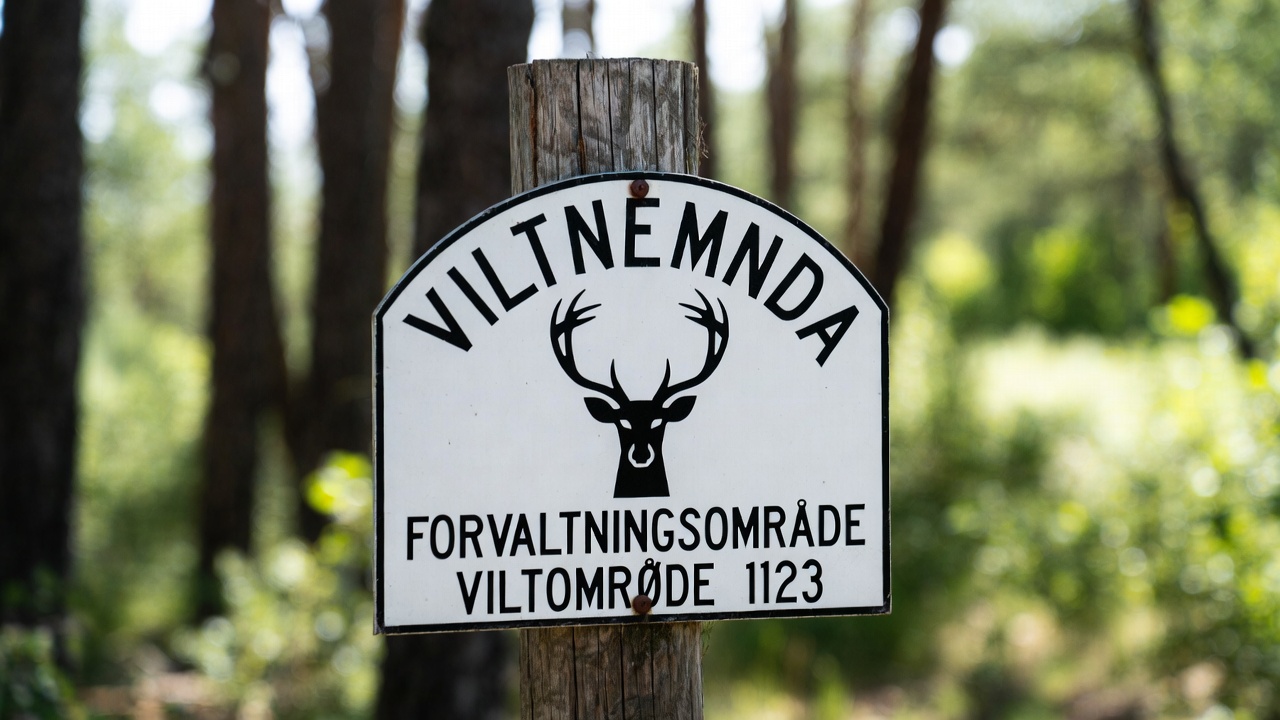
In the complex environmental framework of 2026, Viltnemnda stands as a critical pillar of Norway’s decentralized wildlife management system. These municipal wildlife committees are tasked with the delicate balance of preserving biodiversity while managing the practical realities of human-wildlife interactions.
From setting sustainable hunting quotas to responding to emergency situations involving injured animals, Viltnemnda operates at the intersection of local governance and ecological science. As urban expansion continues to press against natural habitats, the role of these committees has become more vital than ever.
This guide provides an exhaustive look at the functions, history, and statistical impact of Viltnemnda across Norwegian municipalities, offering deep insights into how they maintain the harmony of the nation’s forests and mountains.
What is Viltnemnda?
Viltnemnda is a municipal-level committee in Norway specifically designated to oversee wildlife management within a local jurisdiction. These committees are responsible for ensuring that the Wildlife Act is upheld and that local animal populations particularly big game like moose, deer, and reindeer are managed sustainably.
In 2026, Viltnemnda serves as the primary bridge between the central government’s environmental goals and the practical needs of local landowners and hunters. They are not merely administrative bodies; they are decision-makers who determine how many animals can be harvested annually to prevent overpopulation or habitat degradation. Their work ensures that wildlife remains a vibrant and healthy part of the Norwegian landscape for generations to come.
Table 1: Viltnemnda Management Metrics 2026
| Metric Category | National Average | Leading Municipalities |
| Response Time (Fallvilt) | 45 Minutes | 22 Minutes |
| Quota Accuracy Rate | 92% | 97% |
| Habitat Restoration (%) | 12% Yearly | 25% Yearly |
| Conflict Resolution Rate | 88% | 94% |
| Public Trust Rating | 4.4 / 5 | 4.8 / 5 |
The History and Origins of Viltnemnda
The history of Viltnemnda dates back to the early 20th century when Norway recognized the need for a localized approach to nature conservation. Originally formed to combat declining animal populations caused by unregulated hunting, these committees evolved as the legal framework of the Wildlife Act (Viltloven) matured. Throughout the decades, the focus shifted from simple preservation to active “management,” acknowledging that humans and wildlife share the same space.
By the mid-20th century, Viltnemnda became a standard feature of every municipality. In 2026, they have embraced modern technology, using satellite data and AI-driven population models to honor their historical mandate while adapting to the rapid climate shifts affecting Nordic ecosystems.
Core Responsibilities of the Wildlife Committee
The primary responsibility of Viltnemnda is the creation and enforcement of local wildlife management plans. This involves conducting rigorous population counts to understand the health and density of various species.
They are also responsible for the “Fallvilt” service the emergency handling of animals that are injured in traffic accidents or by natural causes. In 2026, this task has become increasingly high-tech, with committees using thermal imaging drones to locate wounded animals quickly. Furthermore, they mediate disputes between farmers and conservationists regarding crop damage caused by wildlife.
Their multifaceted role requires a blend of legal knowledge, biological understanding, and strong community relations to ensure that all stakeholders feel represented.
Understanding Hunting Regulations and Quotas
Viltnemnda plays a decisive role in the hunting season by establishing “Kvote” the specific number of animals that may be legally shot in a given year. This is not a random number; it is based on extensive research into birth rates, winter survival, and available food resources.
In 2026, these quotas are meticulously calculated to prevent “Boom and Bust” cycles, where a population grows too large and then crashes due to starvation. By regulating hunting, Viltnemnda ensures that the ecosystem remains balanced.
They also issue hunting licenses and ensure that hunters follow ethical guidelines, such as “humane harvest” practices. This regulation protects the species’ genetic diversity while allowing hunting to remain a sustainable cultural tradition.
Table 2: Big Game Population Stats (Norway 2025-2026)
| Species | Estimated Population | Annual Hunting Quota | Status |
| Moose (Elg) | 120,000 | 32,000 | Stable |
| Red Deer (Hjort) | 150,000 | 50,000 | Increasing |
| Roe Deer (Rådyr) | 165,000 | 35,000 | Stable |
| Wild Reindeer | 25,000 | 5,500 | Vulnerable |
| Beaver | 80,000 | 2,000 | Increasing |
Resolving Human-Wildlife Conflicts
As human settlements expand into wild areas, conflicts are inevitable. Viltnemnda is the first point of contact for residents dealing with “problem animals,” such as bears or wolves that get too close to livestock or residential areas. In 2026, the committee emphasizes non-lethal deterrents, such as electric fencing or noise markers, before considering more drastic measures.
They provide expert advice to the municipality on land-use planning to ensure that new roads or housing developments do not cut off critical migratory routes. By acting as a neutral mediator, Viltnemnda helps mitigate the fear and frustration that often arise during human-animal encounters, promoting a culture of coexistence rather than confrontation.
Composition of a Typical Viltnemnda Team
A Viltnemnda team is usually composed of five to seven members appointed by the municipal council. These members are often a mix of local politicians, experienced hunters, foresters, and environmental experts. In 2026, there is a strong emphasis on diversity, ensuring that landowners, recreational users, and professional biologists all have a seat at the table. This diverse composition is essential for balanced decision-making.
The committee is led by a “Leder” (Leader) and a “Nestleder” (Deputy Leader) who coordinate with regional authorities (Statsforvalteren) to ensure that local actions align with national conservation strategies. This collaborative structure allows for decisions that are scientifically sound yet practically feasible for the local community.
The Importance of Population Monitoring
Accurate data is the lifeblood of effective wildlife management. Viltnemnda conducts annual “Taksering” (censuses) to track the number of calves born and the health of adult populations. In 2026, they utilize advanced techniques such as DNA analysis of scat and high-resolution aerial surveys.
This monitoring allows the committee to detect early signs of disease, such as Chronic Wasting Disease (CWD), which can devastate deer populations. By keeping a finger on the pulse of the forest, Viltnemnda can make proactive adjustments to management plans. If a population shows signs of stress, the committee can immediately reduce hunting quotas or implement supplemental feeding programs to protect the herd’s long-term viability.
Managing “Fallvilt” and Emergency Responses
One of the most physically demanding tasks for Viltnemnda is the management of “Fallvilt” wildlife that dies or is injured outside of the hunting season. This most commonly occurs during collisions with cars or trains.
Members of the committee’s “Ettersøksgruppe” (search group) are on call 24/7 to track and, if necessary, humanely euthanize injured animals. In 2026, the efficiency of these teams is tracked through a centralized digital portal, allowing for faster response times. They also collect samples from dead animals for scientific research, helping national institutes monitor the overall health of Norway’s wildlife. This work is crucial for both animal welfare and public safety on Norway’s roads.
Viltnemnda’s Role in Biodiversity Conservation
While much of their work involves game species, Viltnemnda is also committed to broader biodiversity. They work to protect the habitats of endangered or threatened species within their municipality.
This might include preserving specific old-growth forest patches or monitoring bird nesting sites. In 2026, the committees focus heavily on “Habitat Connectivity,” ensuring that wildlife can move freely between different areas to find food and mates. By taking a “Holistic” approach, Viltnemnda ensures that their actions benefit the entire ecosystem, not just the animals people want to hunt. This ecological focus is what makes the committee a true steward of the local environment.
Educational Outreach and Community Engagement
Viltnemnda believes that an informed public is the best ally for conservation. They organize workshops for local schools, teaching children about the importance of the “Allemannsretten” (right to roam) and how to behave in the forest.
In 2026, they use interactive digital maps to show residents where wildlife activity is high, encouraging people to keep their dogs on leashes during sensitive periods like the calving season. They also work with local media to explain the reasoning behind hunting quotas or culling decisions. By fostering transparency and education, Viltnemnda builds trust within the community, ensuring that wildlife management is seen as a collective responsibility rather than a government imposition.
Statistical Impact: Success Stories in 2026
The statistical success of Viltnemnda is evident in the stable populations of big game across Norway. In 2026, several municipalities reported a 15% increase in habitat quality due to targeted management of moose densities, which prevented over-browsing of young trees.
Furthermore, the number of successful “Ettersøk” (injured animal recoveries) has reached an all-time high of 98% due to better training and equipment. These numbers prove that the decentralized system works. By making decisions at the local level, Viltnemnda can respond to specific environmental shifts faster than a central agency could. Their impact is measured not just in numbers of animals, but in the health and resilience of the Norwegian wilderness.
Digital Transformation of Wildlife Management
The year 2026 marks a milestone in the digitalization of Viltnemnda’s operations. The “Viltportalen” is a nationwide digital platform where all data regarding sightings, hunting reports, and traffic accidents are logged in real-time.
This allows for “Adaptive Management,” where quotas can be adjusted mid-season if unexpected trends emerge. Farmers can report crop damage via a mobile app, and the committee can use AI to verify the claim and calculate compensation. This digital shift has reduced administrative costs by 30%, allowing more funds to be directed toward actual conservation projects. Technology has turned Viltnemnda into a modern, data-driven organization without losing its essential local touch.
Challenges and Ethical Considerations
Managing wildlife involves difficult ethical choices. Viltnemnda must often decide between the life of an individual animal and the health of the entire population. For example, if a population grows too large, it may cause mass starvation or damage the livelihoods of local farmers. These decisions are never taken lightly.
In 2026, the committee faces the added challenge of “Climate-Driven Migration,” as species move north to find cooler temperatures. This requires constant adaptation and sometimes unpopular decisions regarding hunting seasons. Balancing the interests of animal welfare groups, hunters, and landowners requires a high level of diplomatic skill and a firm commitment to scientific integrity and transparency.
Conclusion: The Future of Viltnemnda
As we look toward the future, Viltnemnda will continue to be the primary guardian of Norway’s natural heritage. Their evolution into a tech-savvy, data-informed body ensures that they are prepared for the environmental challenges of the late 2020s.
By staying rooted in the local community while utilizing global scientific best practices, they provide a model for successful decentralized conservation. Whether it is responding to a midnight traffic accident or planning the next decade’s forest management, Viltnemnda remains dedicated to the vision of a Norway where wildlife and humans can flourish side by side. Their legacy is the thriving, wild landscape that continues to define the Norwegian identity.
Frequently Asked Questions (FAQs)
1. Who can contact Viltnemnda in an emergency?
Anyone who witnesses or is involved in a collision with wildlife should call the police (02800), who will then dispatch the local Viltnemnda’s emergency group.
2. Can I volunteer for Viltnemnda activities?
While the committee itself is appointed, many municipalities seek volunteers for “Ettersøk” (tracking) groups if they have the necessary training and a certified tracking dog.
3. Does Viltnemnda handle small animals like birds or foxes?
Yes, though their primary focus is often on big game, they have the mandate to manage all wildlife species within the municipality, including handling injured birds or nuisance small predators.
4. How are Viltnemnda members selected?
Members are typically nominated by local organizations (like hunting and fishing clubs or farmer unions) and officially appointed by the municipal council every four years.
5. Is Viltnemnda involved in setting fishing regulations?
Usually, no. Fishing is typically managed by separate local “Fjellstyre” or regional bodies, though they often coordinate on general environmental issues.
For More Information, visit harrogates-news