
What are Gangers? A Simple Guide to These Hardworking Teams
Have you ever passed a big construction site or watched people working on train tracks? If you saw a small group of people working hard under one leader, you were likely looking at gangers. In the world of building and fixing things, a “gang” isn’t a bad thing. It simply means a team! These teams are the heartbeat of every big project. Whether they are laying down new roads or fixing old pipes, gangers make sure the job gets done right. They are the experts who know exactly where every brick and bolt should go.
Working as part of these teams takes a lot of strength and focus. Each person has a special role, but they all follow one main leader. This leader ensures everyone stays safe while working fast. It is amazing to see how much a small group can achieve when they move like a single machine. In this article, we will explore what these workers do every day and why our world would stop moving without them. Get ready to learn about the unsung heroes of the building world!
What Exactly Is a Ganger?
To understand this role, think of a sports team. Every team needs a captain to call the plays. In the construction industry, gangers act as those captains. They are experienced workers who lead a small crew, usually called a “gang.” These leaders have spent years learning the trade. They know how to read plans and how to use big tools. Because they have so much experience, the other workers look up to them for help and direction.
While the boss of the whole company stays in an office, gangers stay on the ground with the crew. They get their hands dirty just like everyone else. Their main job is to watch the work closely. If something looks wrong, they fix it immediately. This helps prevent big mistakes that could cost a lot of money later. Being a leader in this field means being the first one to arrive and the last one to leave the site each day.
The Daily Life of a Working Gang
The day for a group of gangers starts very early, often before the sun comes up. They meet at the site to talk about the plan for the day. The leader explains what needs to be finished by lunch and what needs to be done by sunset. This morning meeting is very important for safety. Everyone needs to know where the heavy machines will be moving. Once the plan is set, the team grabs their tools and starts the heavy lifting.
Throughout the day, gangers keep a close eye on the clock and the quality of the work. They might spend four hours digging a trench and another four hours filling it with gravel. It is physically tiring work, but these teams are tough. They talk to each other constantly to stay in sync. A good team knows what their partner needs before they even ask for it. This kind of teamwork is what makes a “gang” so effective at building things that last for a hundred years.
Key Details About Ganger Roles
| Feature | Description |
| Team Size | Usually 3 to 10 workers per gang |
| Main Industry | Construction, Railways, and Civil Engineering |
| Primary Goal | To complete specific physical tasks safely and quickly |
| Lead Tool | Usually expert knowledge of hand and power tools |
| Uniform | High-visibility vests, hard hats, and steel-toe boots |
| Key Skill | Clear communication and physical endurance |
Why Safety is the Number One Priority
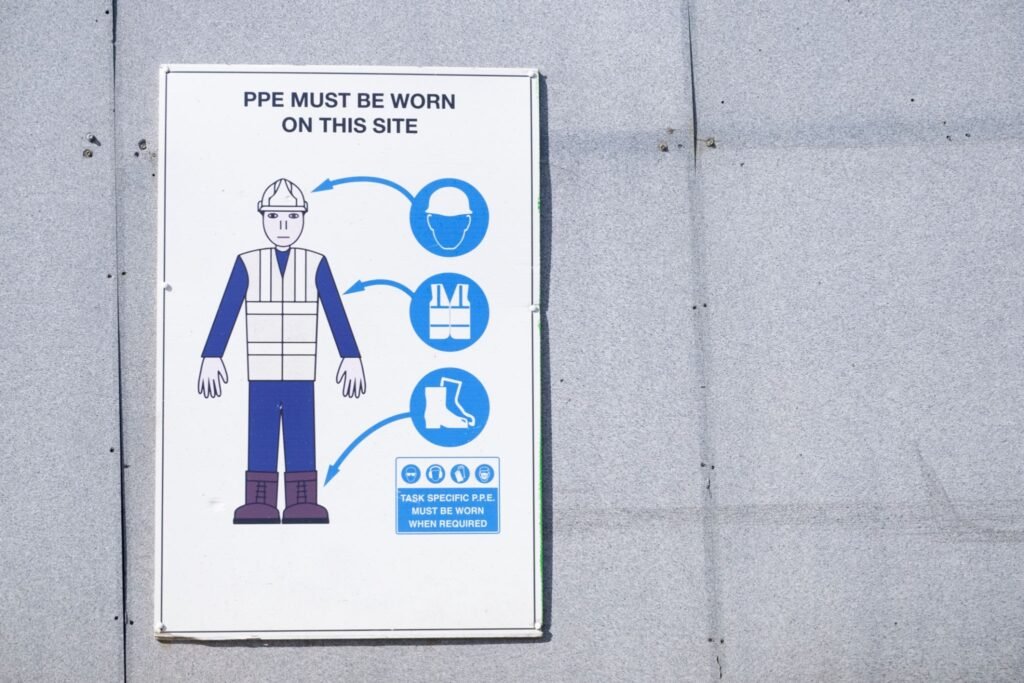
In the world of gangers, safety is much more than just a rule. It is a way of life. Construction sites can be dangerous places with loud noises and heavy falling objects. The leader of the gang is responsible for making sure everyone wears their hard hats and bright vests. They also check the tools every morning to make sure nothing is broken. If a ladder is wobbly or a saw is dull, the leader will stop the work to fix it.
Getty Images
We often see these workers behind orange cones or fences. Those barriers are there to protect us, but they also protect the gangers from traffic. A big part of the job is managing “risk.” This means thinking about what could go wrong before it actually happens. By staying alert and following strict safety steps, these teams can go home happy and healthy to their families every single night. It takes a very responsible person to lead a crew in such a high-pressure environment.
Gangers in the Railway Industry
One of the most famous places to find gangers is on the railroad. Fixing train tracks is a very specialized job. The tracks must be perfectly level so the trains don’t shake. When a section of rail breaks, a gang of workers rushes to the spot. They use massive tools to lift heavy steel beams. Because trains run on a tight schedule, these workers often have to work very fast in the middle of the night.
Working on the rails is extra tough because of the electricity and the fast-moving trains nearby. Railway gangers must have special licenses to do this work. They are experts at “ballast,” which is the heavy stone that holds the tracks in place. If you enjoy traveling by train, you can thank these hardworking teams for keeping the journey smooth. They are the reason we can get from one city to another without any bumps or delays.
Tools of the Trade for Modern Teams
Every professional needs the right tools, and gangers use some of the coolest gear out there. You will often see them using pneumatic drills, which are the loud tools that break up concrete. They also use spirit levels to make sure walls are perfectly straight. In the modern world, some teams even use tablets or smartphones to look at digital blueprints. This helps them see exactly where pipes are hidden underground before they start digging.
Even with fancy technology, the most important tools are still shovels, hammers, and grit. Gangers must know how to maintain their equipment so it doesn’t break during a job. A well-oiled machine makes the work go much faster. Watching a skilled worker use a massive excavator is like watching an artist paint a picture. It takes years of practice to make such heavy work look easy and graceful.
How to Become a Team Leader
Do you like working outside and building things with your hands? If so, you might want to become one of the future gangers. Most people start as a “laborer.” This is someone who helps with the basic tasks like moving materials or cleaning the site. As you learn more skills, you get more responsibility. You might learn how to lay bricks, pour concrete, or weld steel. After a few years of hard work, you can be promoted to a lead role.
Many gangers also take special classes to learn about leadership and safety laws. Being a boss isn’t just about telling people what to do. It is about listening to your team and solving problems together. You need to be good at math to measure things correctly. You also need to be a good communicator so everyone stays on the same page. It is a rewarding career because you get to see the physical results of your hard work at the end of every single day.
The Difference Between Laborers and Gangers
Sometimes people get confused about the different titles on a construction site. A laborer is usually someone who is still learning or performs general tasks. On the other hand, gangers are the supervisors of those laborers. Think of it like a school. The laborers are the students, and the ganger is the teacher who also happens to be doing the homework with them! The leader has more weight on their shoulders because they are responsible for the whole group’s output.
While a laborer might focus on one task, like moving a pile of dirt, gangers focus on the whole project. They look at the “big picture.” They make sure the dirt is moved to the right place so the next team can start their work on time. This coordination is what keeps a construction project from falling behind schedule. Both roles are very important, but the leader needs a deeper level of knowledge to keep everything moving smoothly.
Common Challenges Faced on the Job
No job is perfect, and gangers face many challenges every day. The biggest challenge is often the weather. Imagine trying to lay bricks in the pouring rain or digging a hole when the ground is frozen solid! These workers have to be prepared for anything. They wear special clothes to stay dry and warm. Sometimes, they even have to work in extreme heat, which means they must drink lots of water to stay safe.
Another challenge is “hidden” problems. Sometimes, when gangers start digging, they find old pipes or wires that weren’t on the map. When this happens, they have to stop and think quickly. They must figure out how to work around the obstacle without breaking anything. This requires a lot of patience and “street smarts.” Being able to stay calm when things go wrong is what separates a great leader from a good one.
The Future of Physical Labor Teams
You might wonder if robots will ever replace gangers. While machines are getting smarter, we will always need humans to lead them. Robots are good at doing the same thing over and over, but they aren’t good at solving unexpected problems. A human leader can see a storm coming and decide to cover the equipment. A human can also encourage a teammate who is feeling tired. That human connection is something a machine just cannot do.
In the future, gangers will likely use even more cool technology. We might see them using “augmented reality” glasses to see through walls or robotic suits to help them lift heavy objects. However, the core of the job will remain the same. It will always be about a group of people working together to build something for their community. As long as we need roads, houses, and tracks, we will need these brave and hardworking teams to build them for us.
FAQs About Gangers
1. Is a “gang” on a construction site a bad thing?
Not at all! In construction, a “gang” is just a professional term for a small work crew or team.
2. Do gangers need to go to college?
Not usually. Most learn through hands-on experience and trade schools, though some take leadership courses.
3. What is the most important skill for a ganger?
Communication is key. They must be able to explain tasks clearly so the team stays safe and efficient.
4. Is the work of gangers physically hard?
Yes, it involves a lot of standing, lifting, and moving. It is great for people who like to stay active.
5. Can women be gangers?
Absolutely! More and more women are joining construction crews and taking on leadership roles as gangers.
6. Do they work at night?
Sometimes, especially on railways or busy roads, to avoid disturbing people during the day.
Conclusion: Honoring Our Builders
Next time you drive over a smooth bridge or walk into a sturdy building, take a second to think about the gangers who built it. These men and women work in the heat, the cold, and the rain to make our lives better. They show us that with teamwork and a strong leader, no task is too big. Their dedication to safety and quality ensures that our world stays strong for a long time.
Are you interested in learning more about how our cities are built? Or maybe you are thinking about a career in construction? These hardworking teams are always looking for people who are ready to learn and work hard. It is a career filled with pride, teamwork, and the joy of building something real.